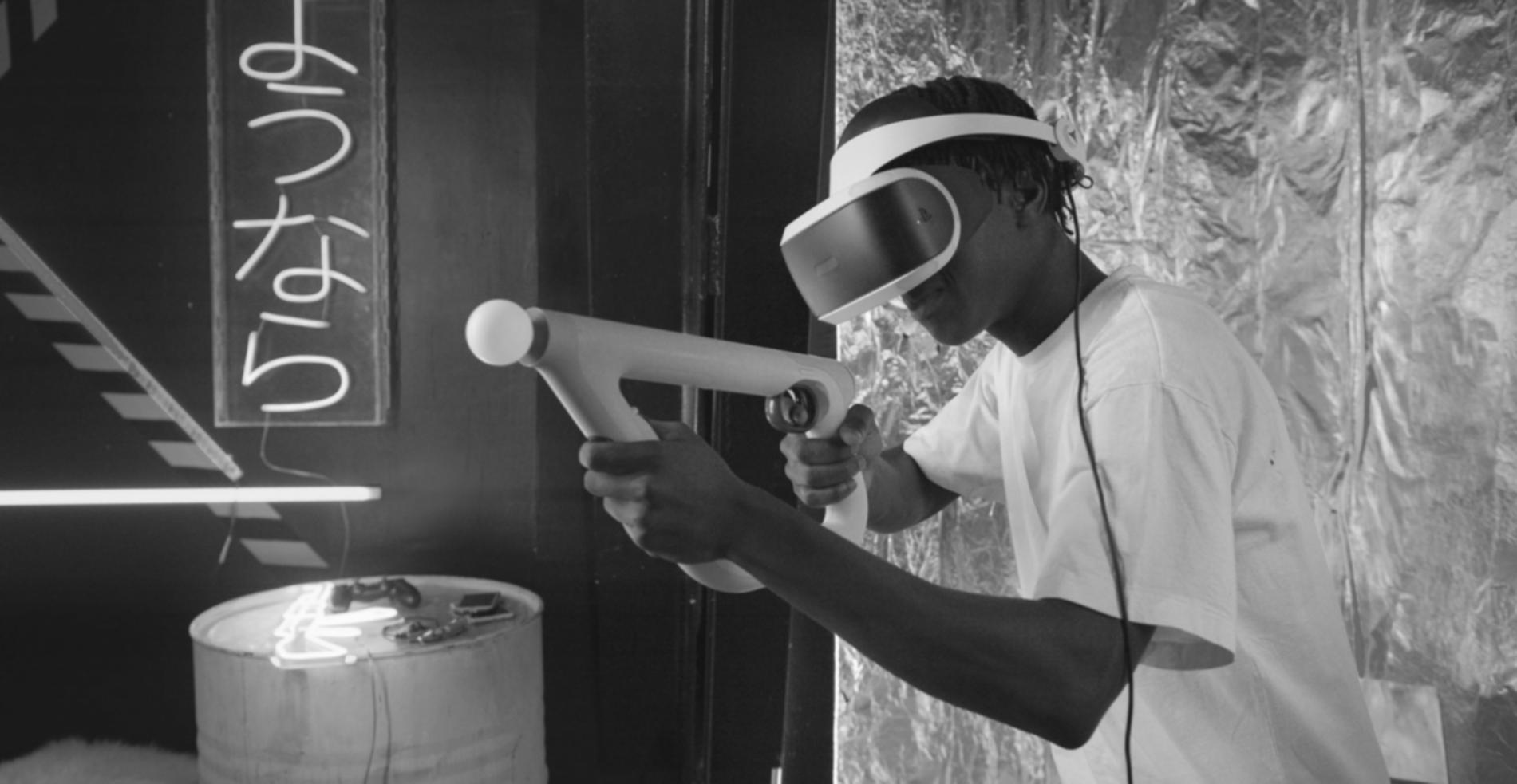
Casual players going competitive
Already spending hours in GTA VI or other titles — now wanting to understand what separates instinct from skill.

Gamebetahub
Professional Gaming Education
Geography stopped mattering the moment we built Gamebetahub. Students from 40+ countries study professional gaming — from mechanical fundamentals to the open-world systems behind titles like Grand Theft Auto VI — on their own schedule.
Students arrive from casual play, competitive circuits, and content creation — each with a different entry point but the same need for structured knowledge.
The courses work whether you're in Seoul or São Paulo, studying GTA VI mechanics or broader esports positioning theory.
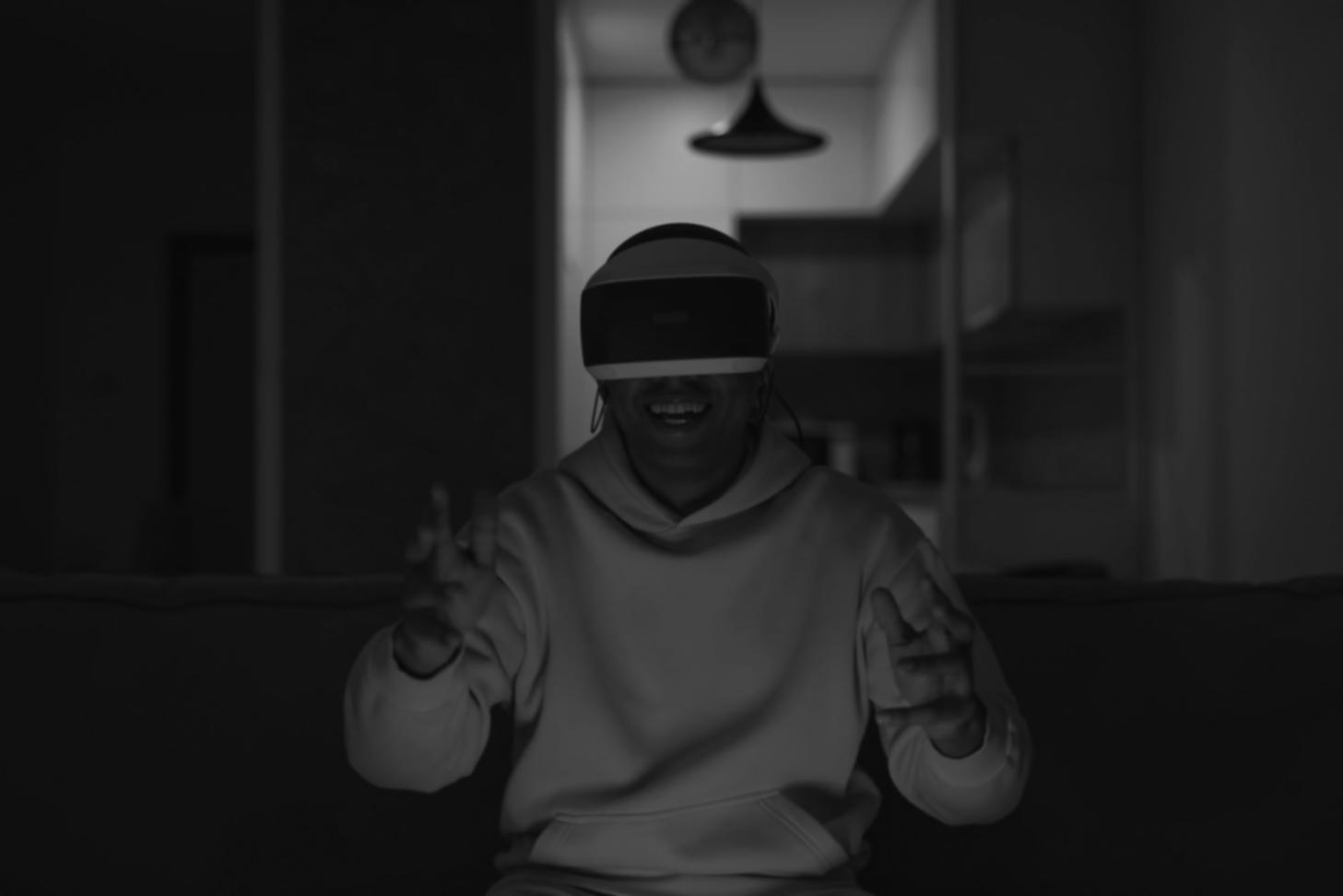
Already spending hours in GTA VI or other titles — now wanting to understand what separates instinct from skill.
Competing in regional circuits but missing the systematic theory that top teams treat as standard knowledge.
Building audiences around gaming content — needing accurate technical depth rather than surface-level commentary.
Working with junior players and needing a structured vocabulary for mechanics, positioning, and decision trees.
Each stage builds on the previous one — no skipping, no guessing where to start. You know exactly where you are.
Mechanics are the vocabulary. Students start by learning how inputs translate to outcomes — reaction windows, resource timing, positional awareness.
Open-world titles like Grand Theft Auto VI make this concrete: every system has rules, and reading those rules is a learnable skill.
Consistent decision-making under pressure — not faster reflexes, but better reads.
Solo skill hits a ceiling fast. This stage covers how professional teams structure roles, rotations, and communication — applied across genres including GTA VI multiplayer formats.
Students analyze real match footage and identify patterns that hold across different game types.
A working mental model of team play — applicable whether you're coordinating or coaching.
Improvement without tracking is just hope. The final stage teaches how to review sessions, identify error patterns, and set realistic benchmarks — not vanity metrics.
Students leave with a personal review system they can apply to any title, from GTA 6 to competitive shooters.
A repeatable self-coaching loop — the same method professional teams use between tournaments.